

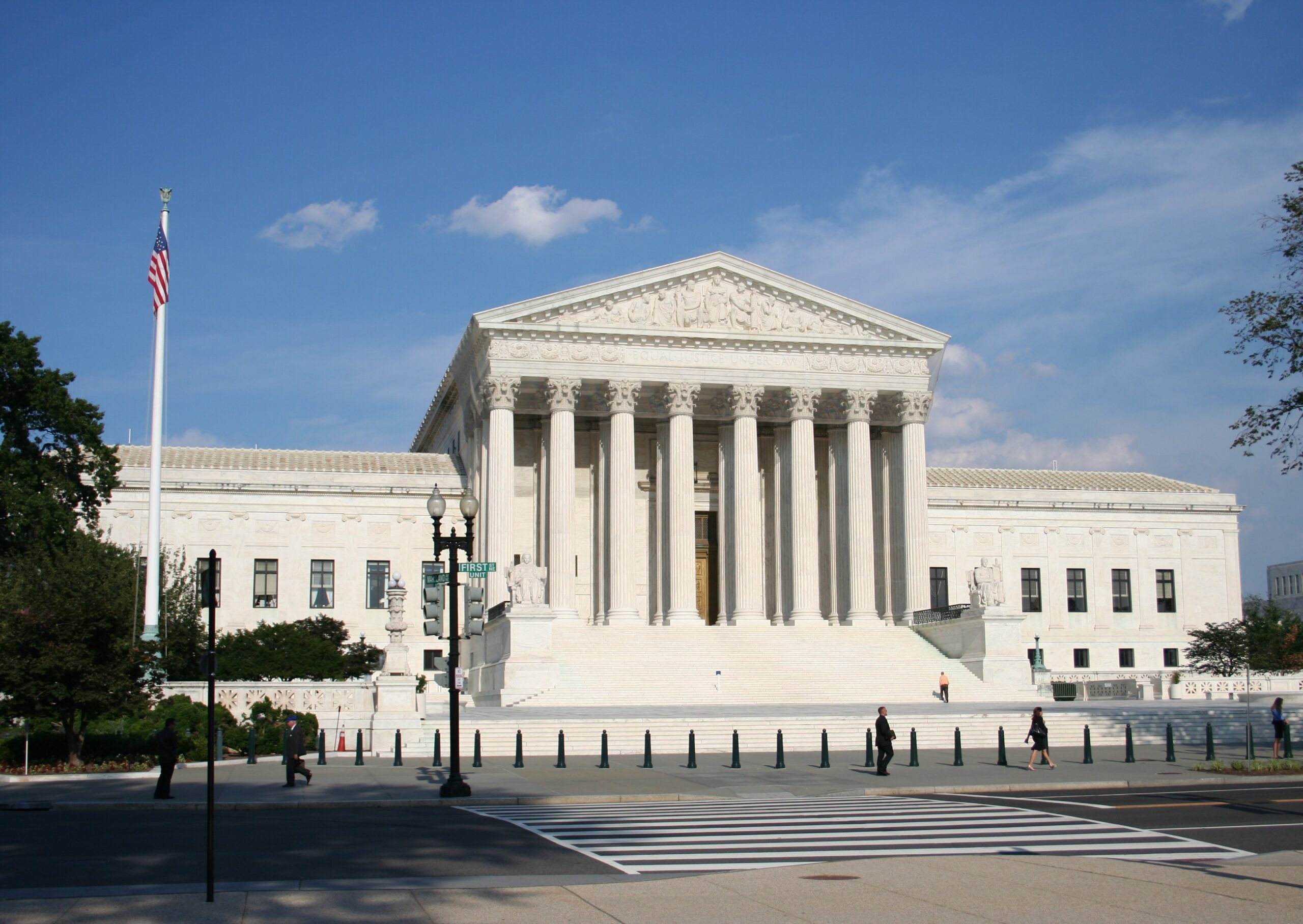
Supreme Court Chief Justice John Roberts has made a move to secure the deliberations, private discussions, and working drafts of the court. According to the New York Times, Roberts is requiring all clerks and permanent staff to sign a non-disclosure agreement.
The writer writes about this in a hushed tone, as though she is laying out the plot of a murder mystery. But there is nothing mysterious about the erosion of the court’s integrity, which points directly to publications like the NYT and POLITICO happily disseminating what is leaked to them.
The chief justice acted after a series of unusual leaks of internal court documents, most notably of the decision overturning the right to abortion, and news reports about ethical lapses by the justices. Trust in the institution was languishing at a historic low. Debate was intensifying over whether the black box institution should be more transparent.
Instead, the chief justice tightened the court’s hold on information. Its employees have long been expected to stay silent about what they witness behind the scenes. But starting that autumn, in a move that has not been previously reported, the chief justice converted what was once a norm into a formal contract, according to five people familiar with the shift.
The NYT is making this sound nefarious and offensive. What it reflects is that any respect or honor for the institution of the Supreme Court has long passed. The new wave of activist clerks and personnel no longer consider it to be an institution worth protecting or preserving. When a person uses their access in the highest court in the land as an opportunity to further their own or someone else’s political agenda, then any appeal to one’s sense of honor or ethical code is an illusion.
The fallout and leftist destruction after the leak of the Dobbs draft in 2022 and the subsequent damage it caused prove this.
The justices are accustomed to controlling what the public knows about their work, sealing nearly everything but their oral arguments and written opinions behind a high wall of secrecy. Courts are excluded from the open records laws that require many other government bodies to maintain and make available internal information.
The justices claim their papers belong to them, not the government or the public, and generally arrange to have them locked away until long after their deaths. The court releases no visitor logs to reveal who meets with the justices.
But in 2022, in a shock to many at the court, someone leaked a draft of the court’s decision overturning the federal right to abortion to Politico, which published the document weeks before the justices had intended to make it public. The court conducted an investigation of its staff but mostly spared the justices, and the source was never publicly identified.
That is the heart of the problem: there was no public accountability for having leaked the document, and any punitive price (if any) was done in secret, instead of out in the open. No one batted an eyelash; thus, the leaks continued.
What is more interesting is that the leakers all seem to go to the New York Times, which has zero interest in the integrity of the court either; otherwise, they wouldn’t publish these exclusives from anonymous sources.
More recently, The Times has been regularly publishing stories illuminating the court’s inner workings, including accounts of sensitive debates among the justices.
In September 2024, The Times published an article describing how the chief justice pushed to grant President Trump broad immunity from prosecution. The article quoted from confidential memos by the chief justice and other members of the court who applauded his reasoning. Weeks later, the chief justice abruptly introduced the nondisclosure agreements, after the term had begun.
And of course, the NYT and so-called experts do not see Chief Justice Roberts’ move from the honor system to a legally-binding document as proactive; they see it as a sign that the court is weak, and, of course, it’s Trump’s fault.
